
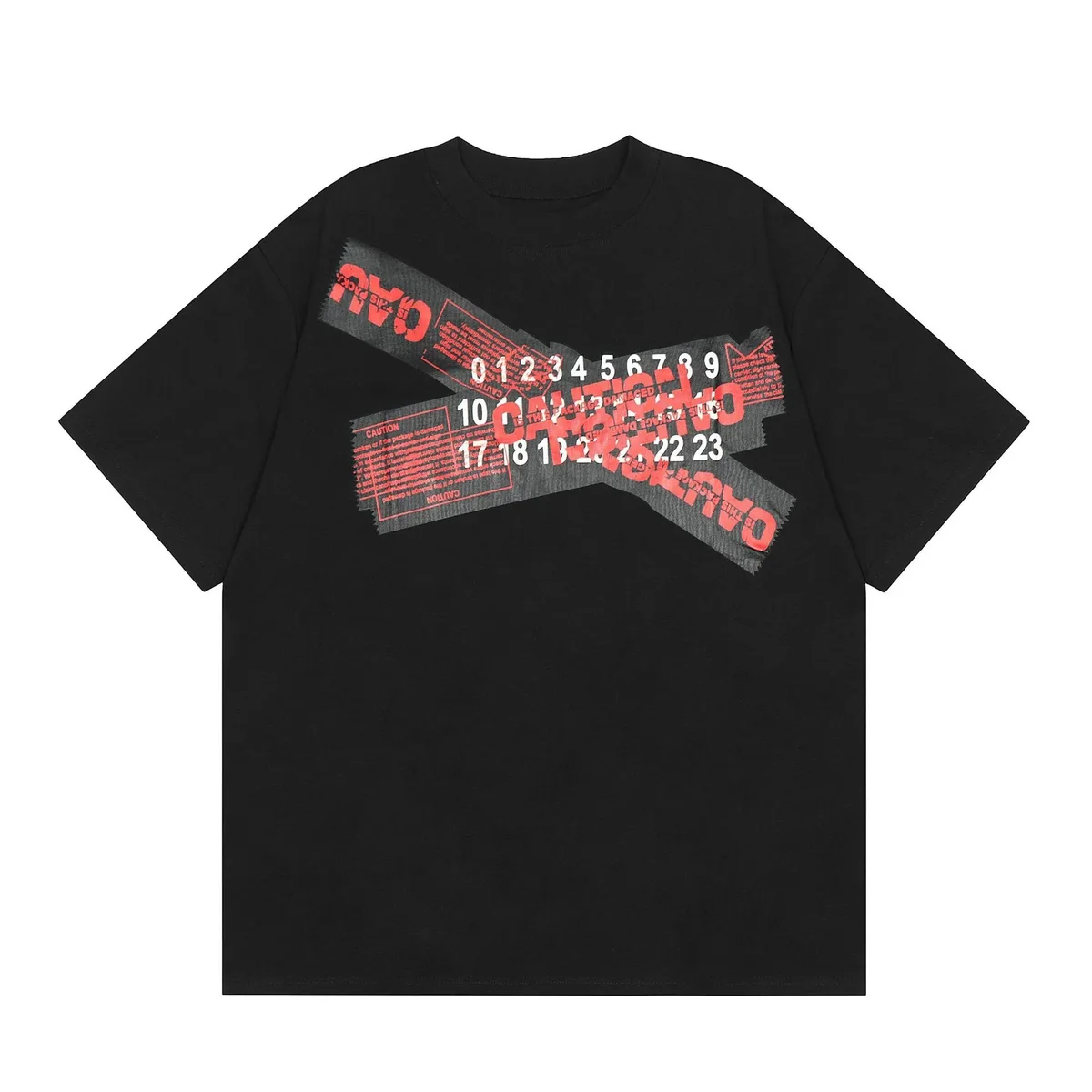
Black Red Tape Oversized T-Shirt
~$20.97
Category shortlist
Compare graphic and logo T-shirts, then check shoulder width, garment length and print placement to narrow your choice.
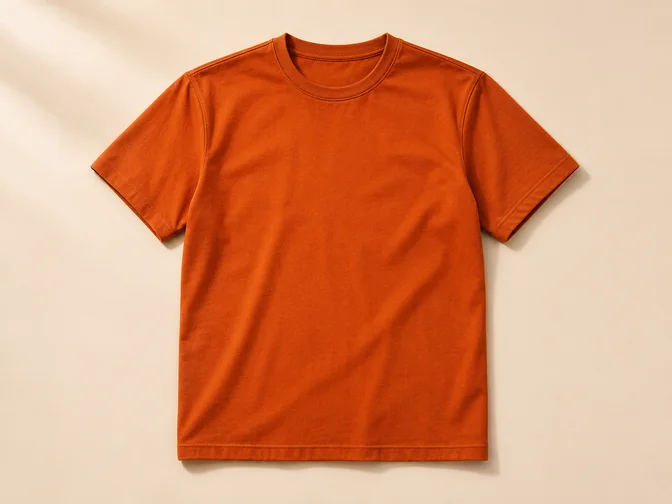
The shortlist
~$20.97
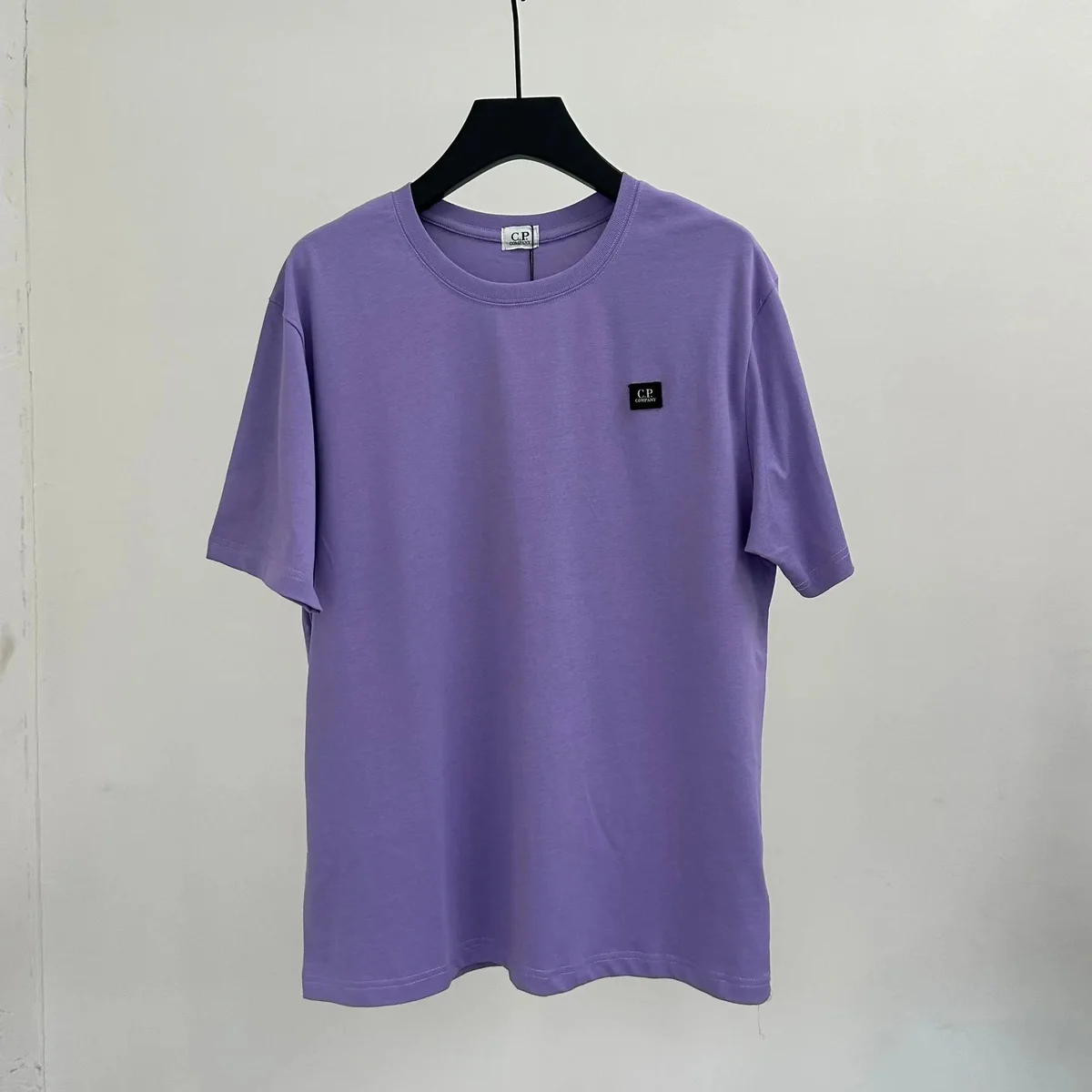
~$16.39
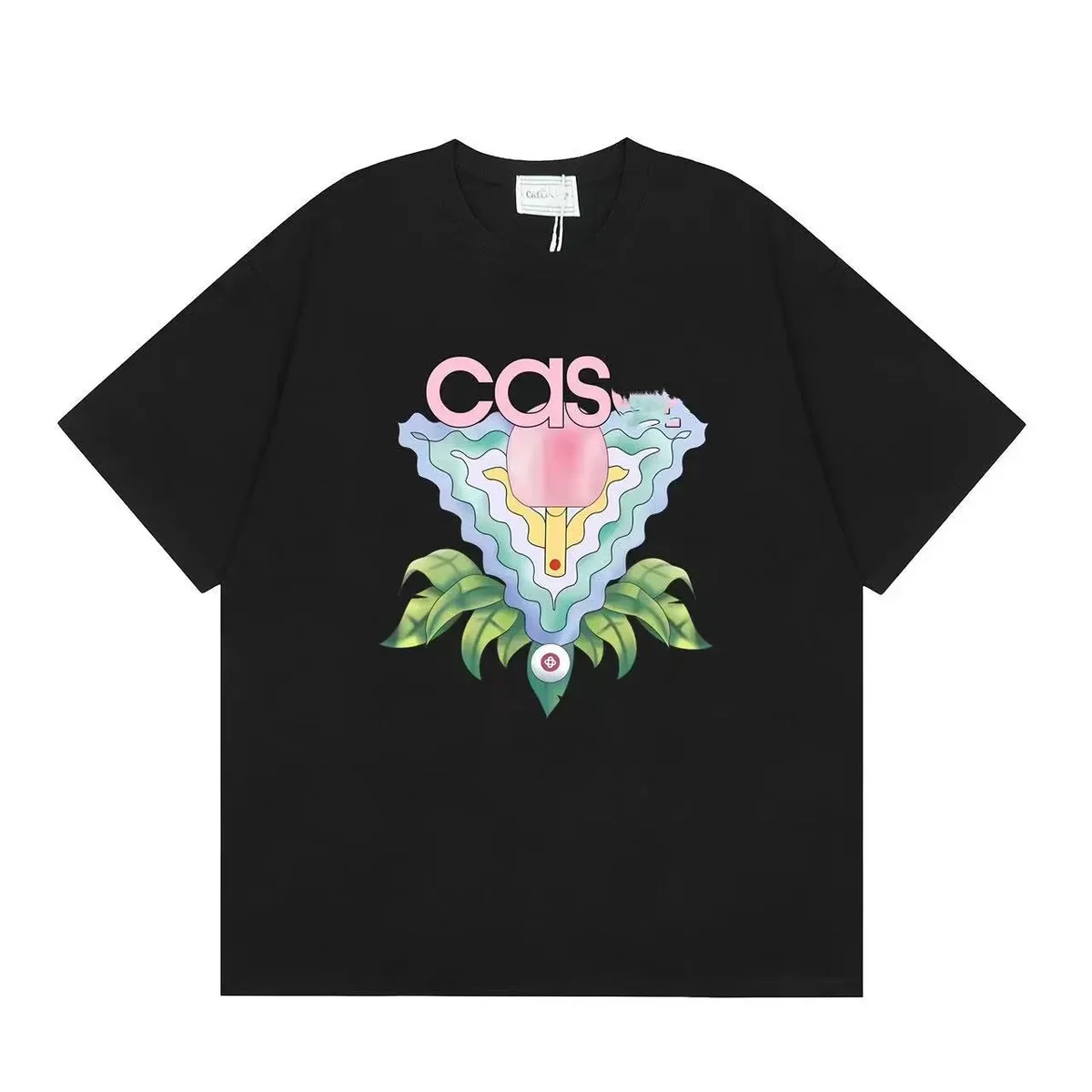
~$15.97
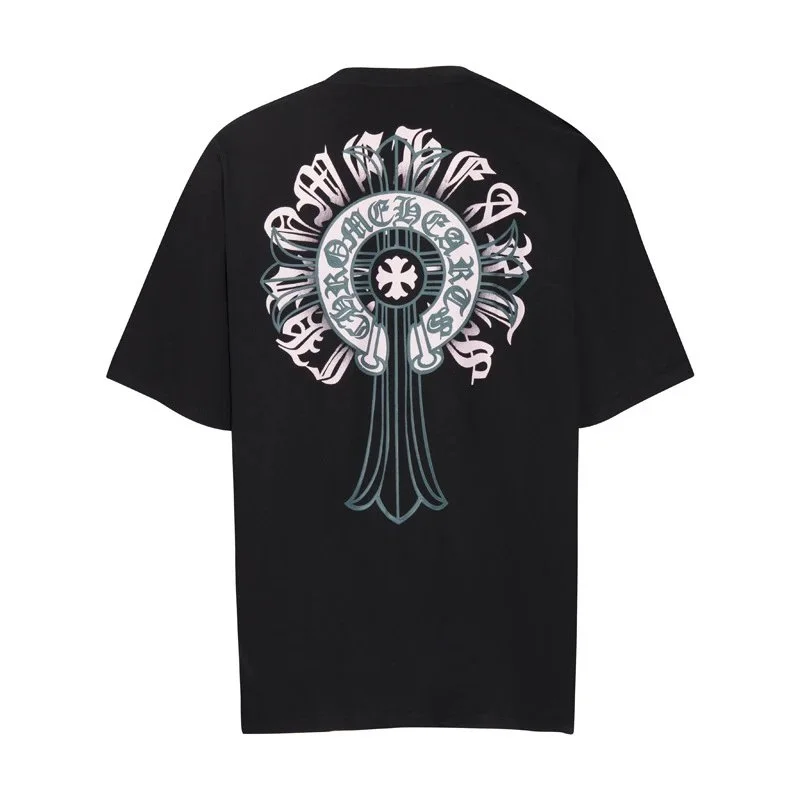
~$34.58
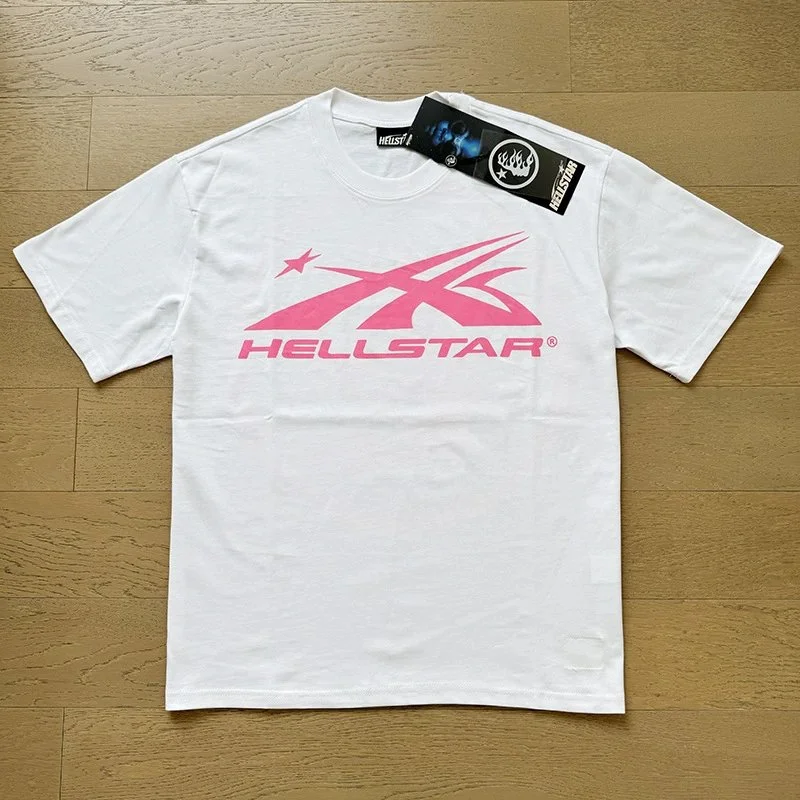 QC
~$18.33
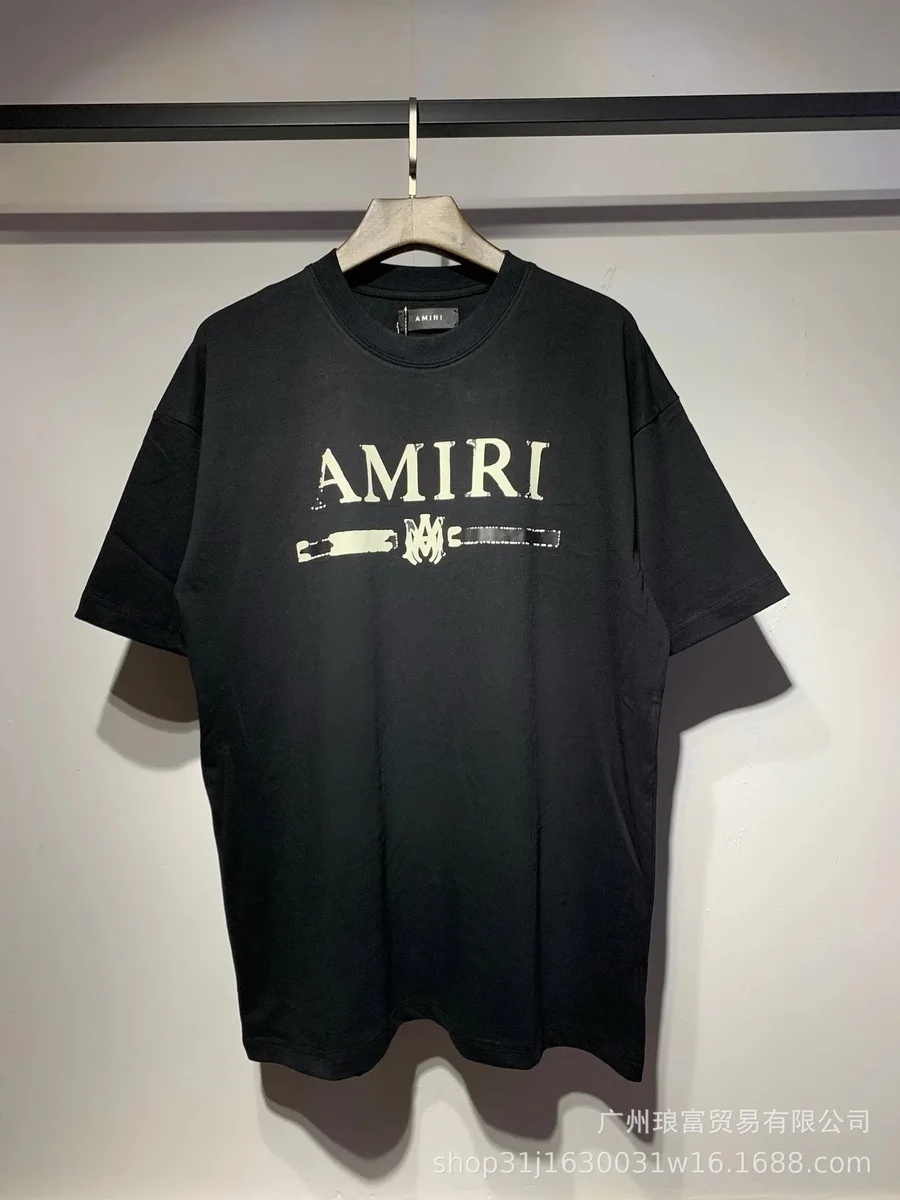
~$13.06
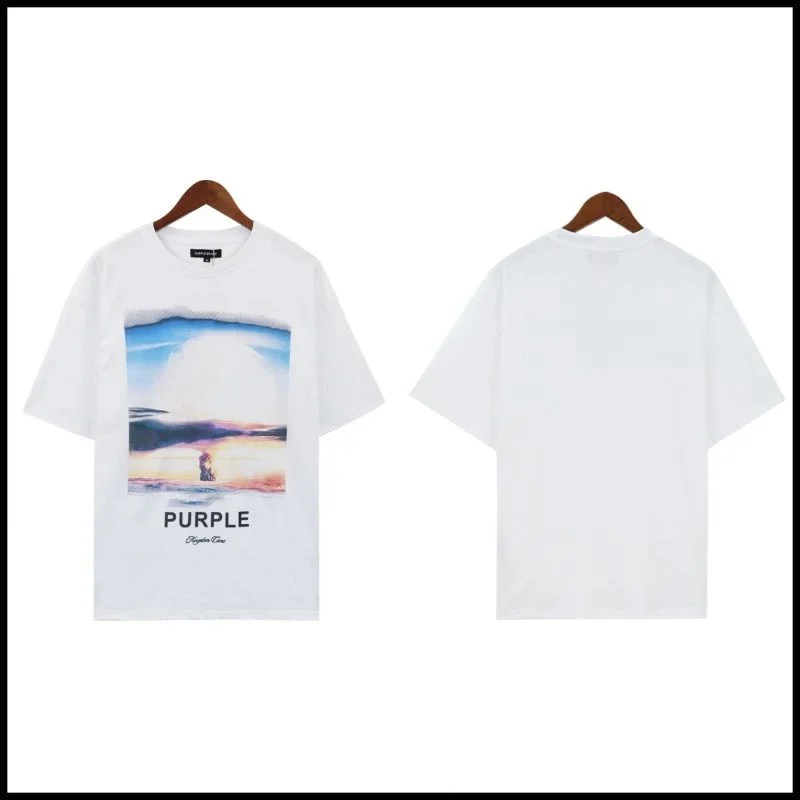
~$17.92
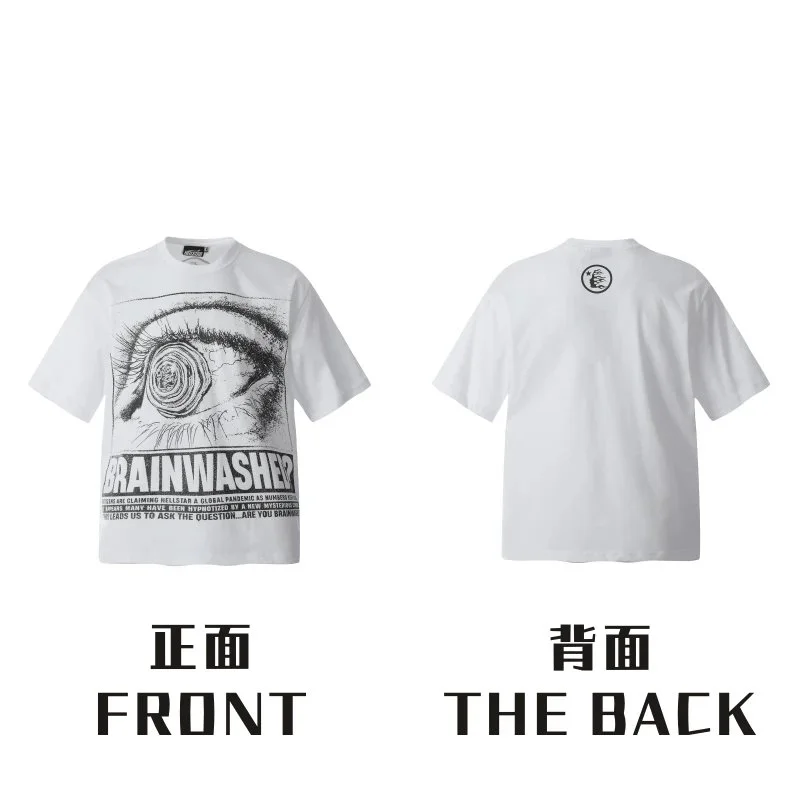
~$16.67
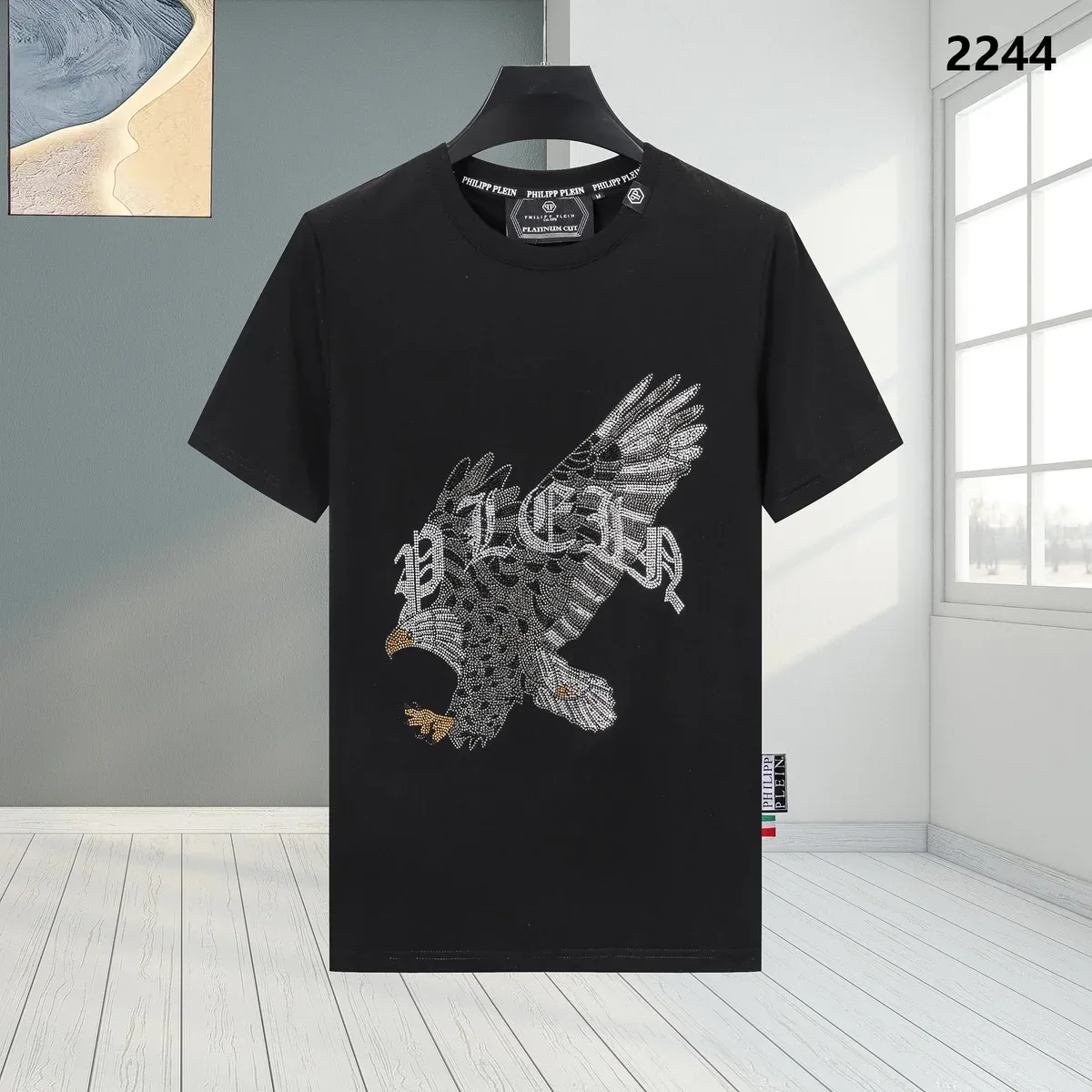
~$20.14
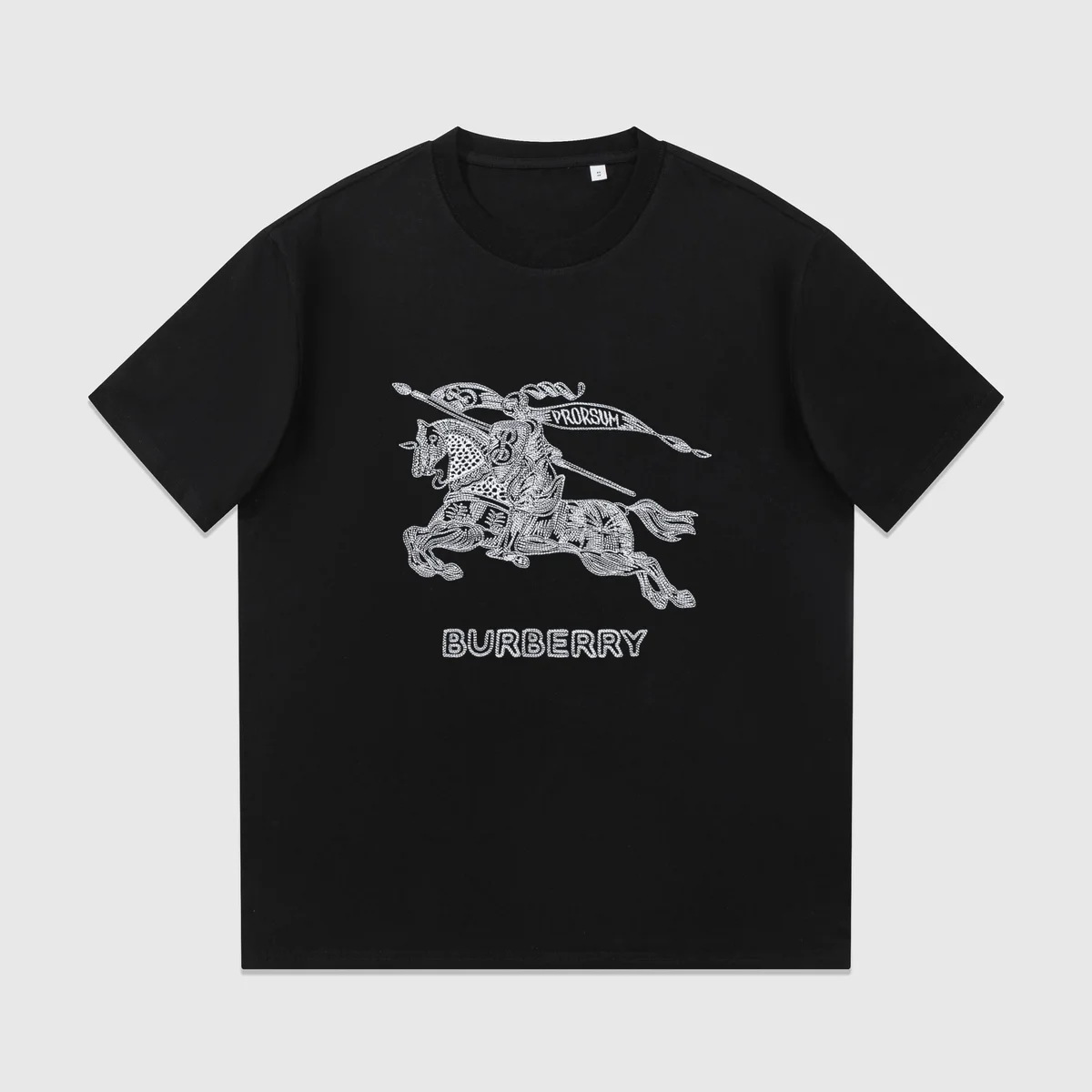
~$26.11
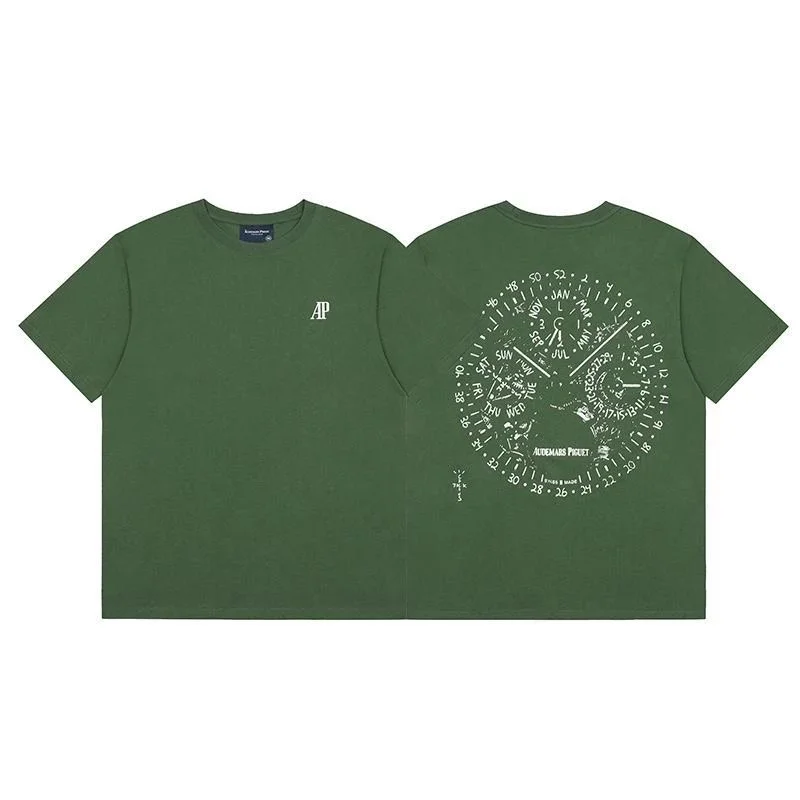
~$20.83
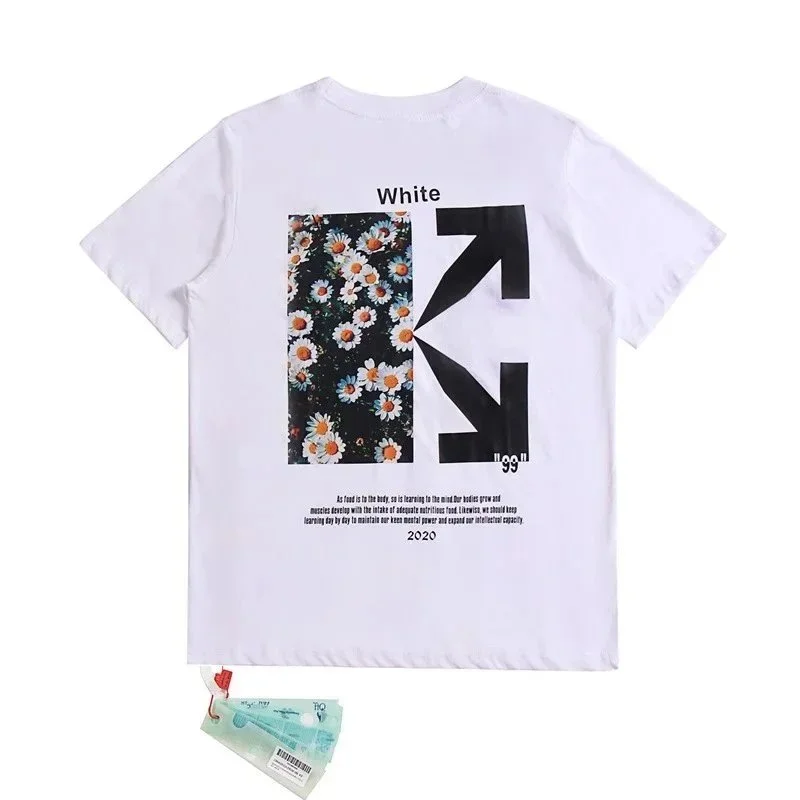
~$17.92
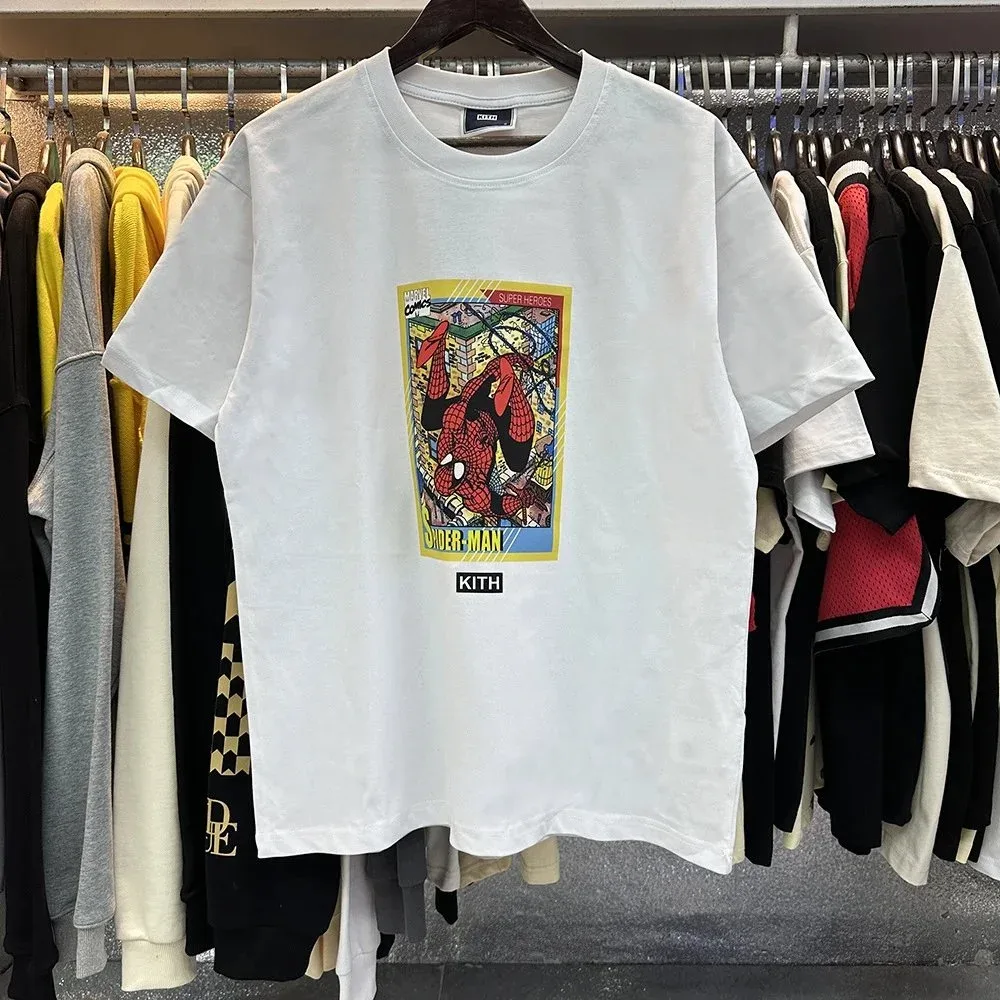
~$19.17
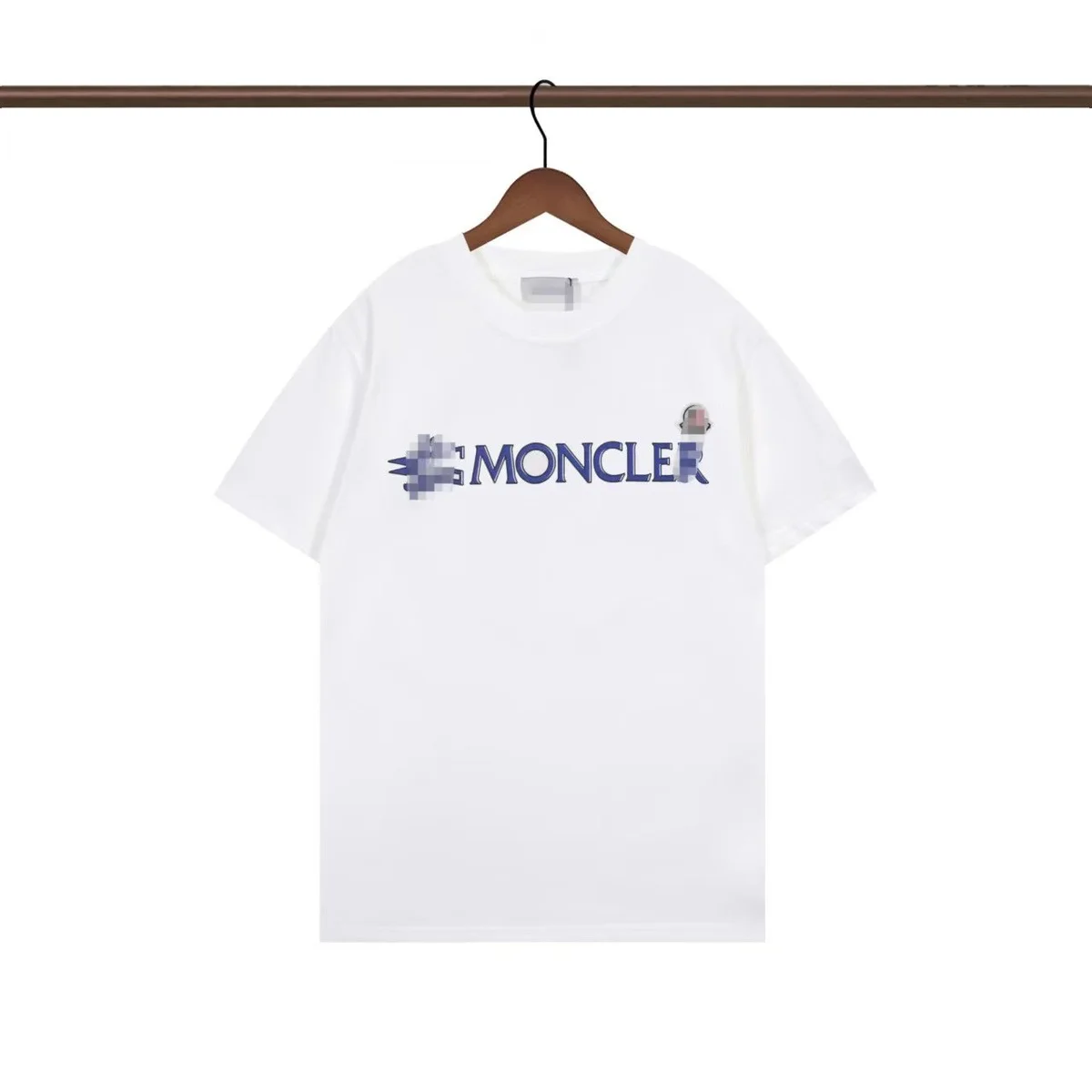
~$29.31
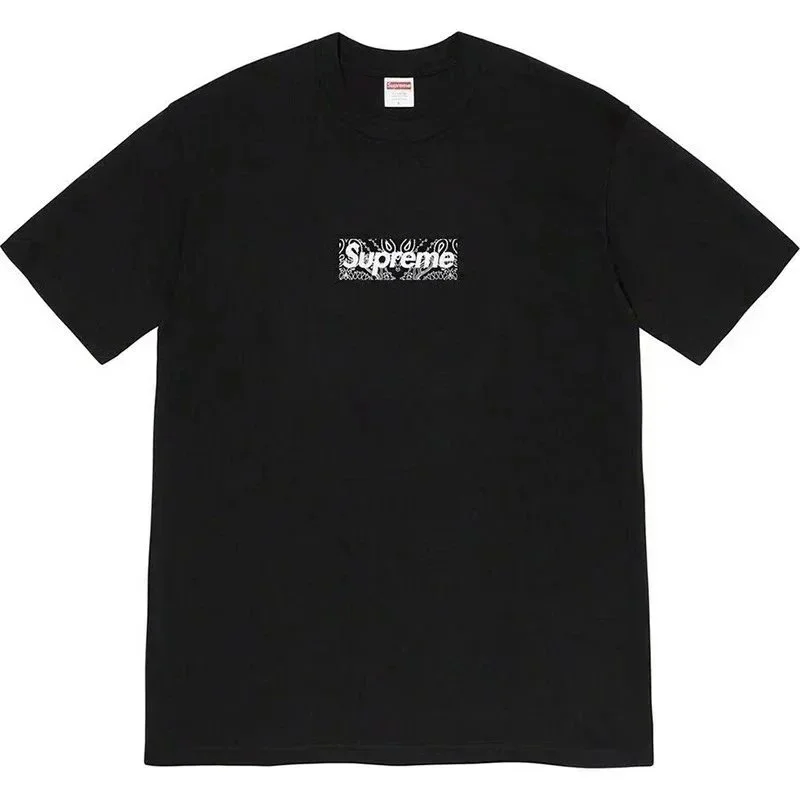
~$11.25
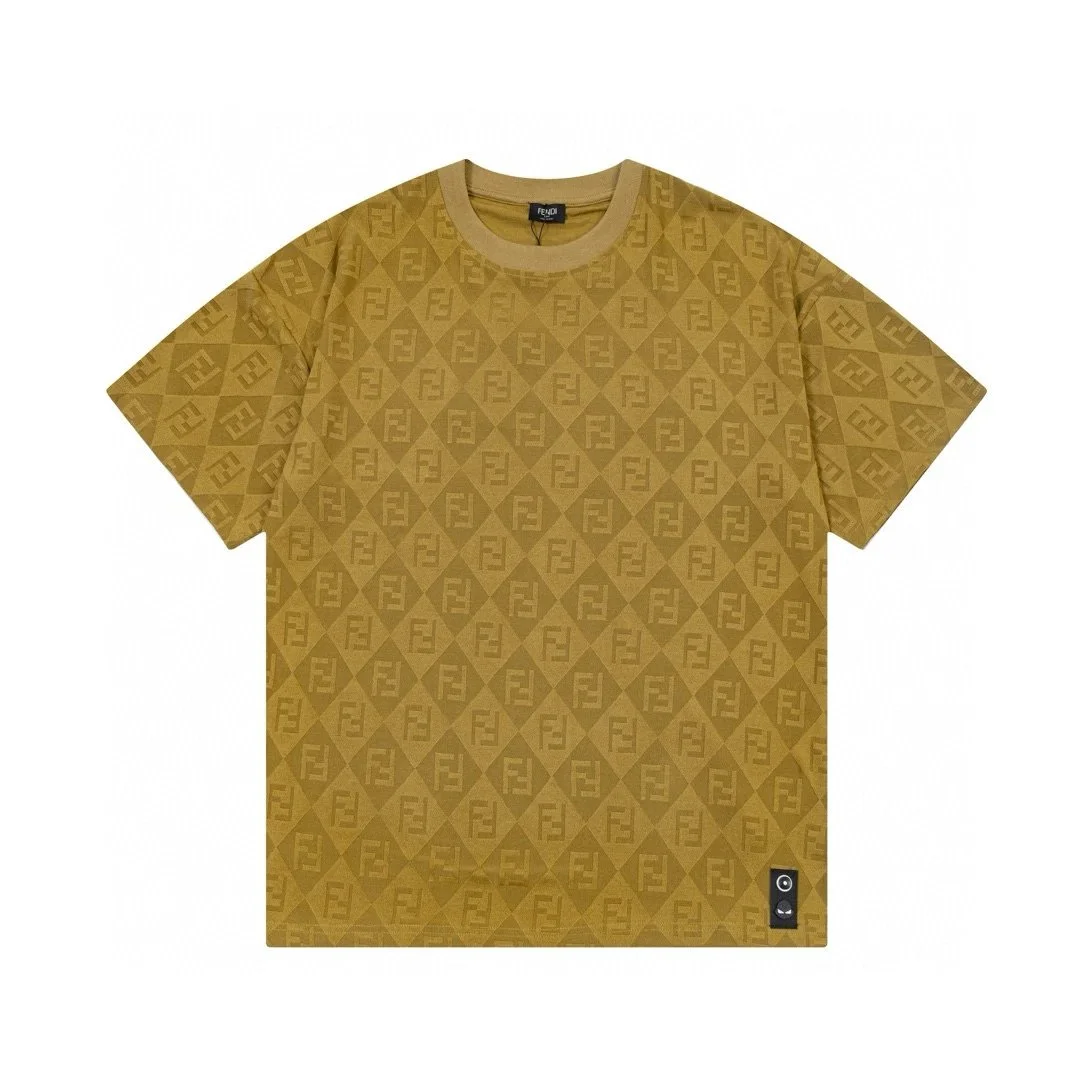
~$26.67
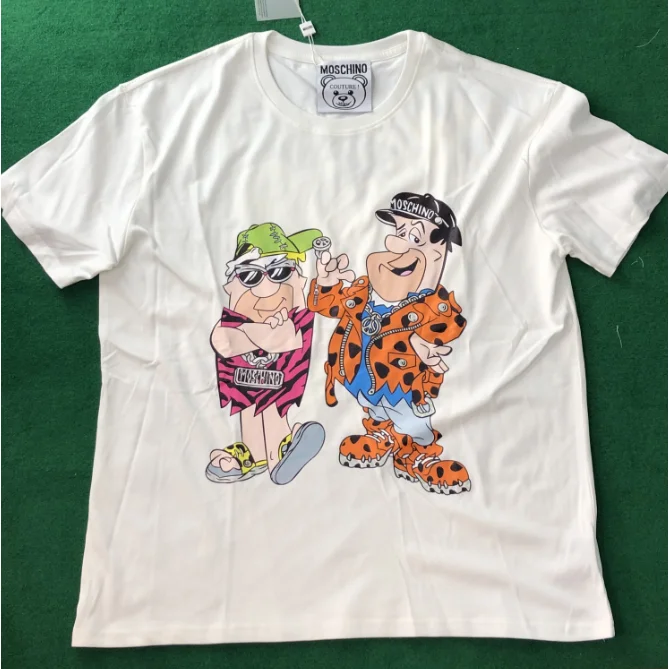
~$21.25
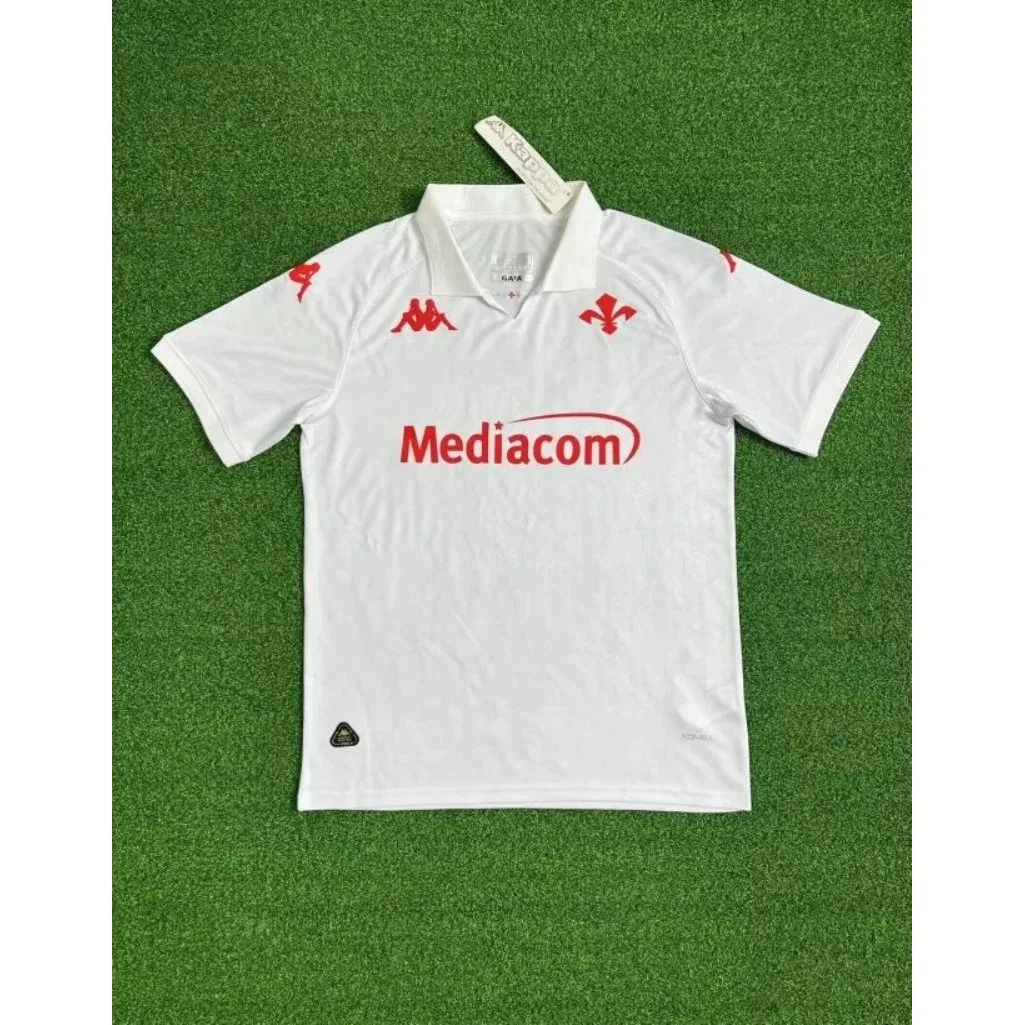
~$10.42
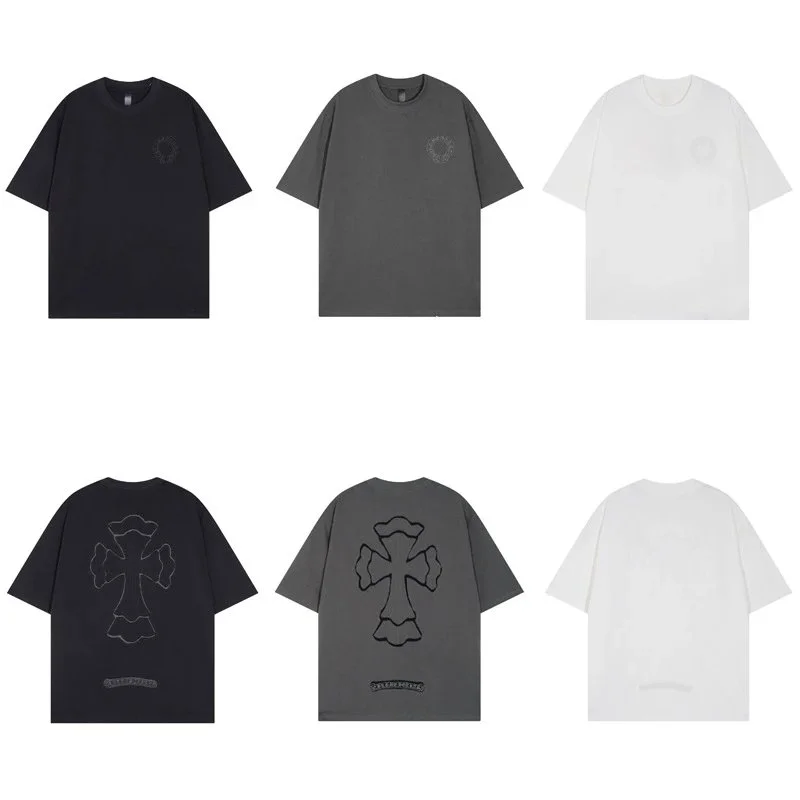
~$28.06

~$17.64
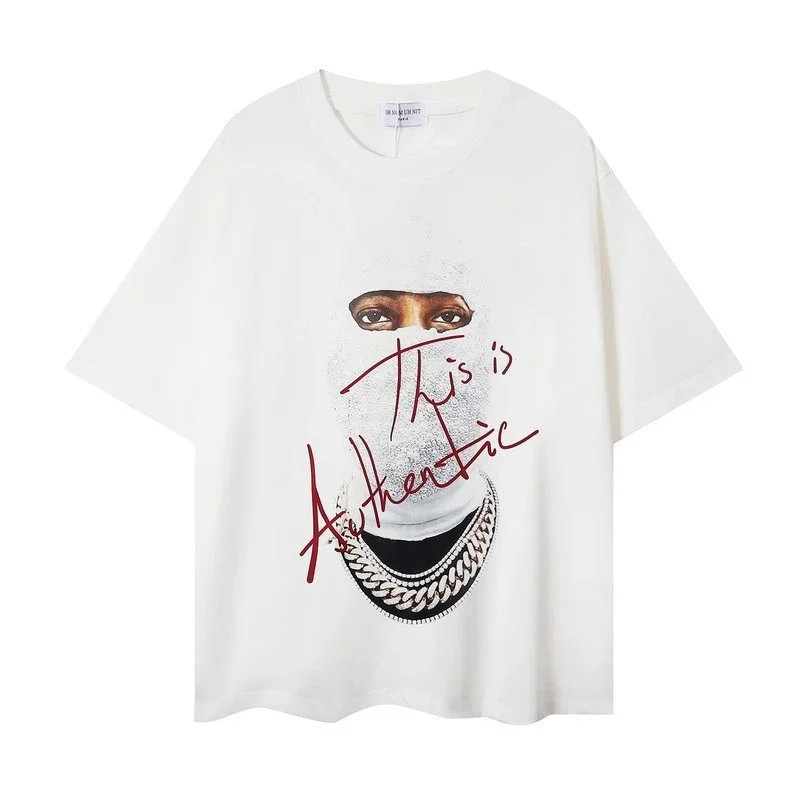
~$19.17
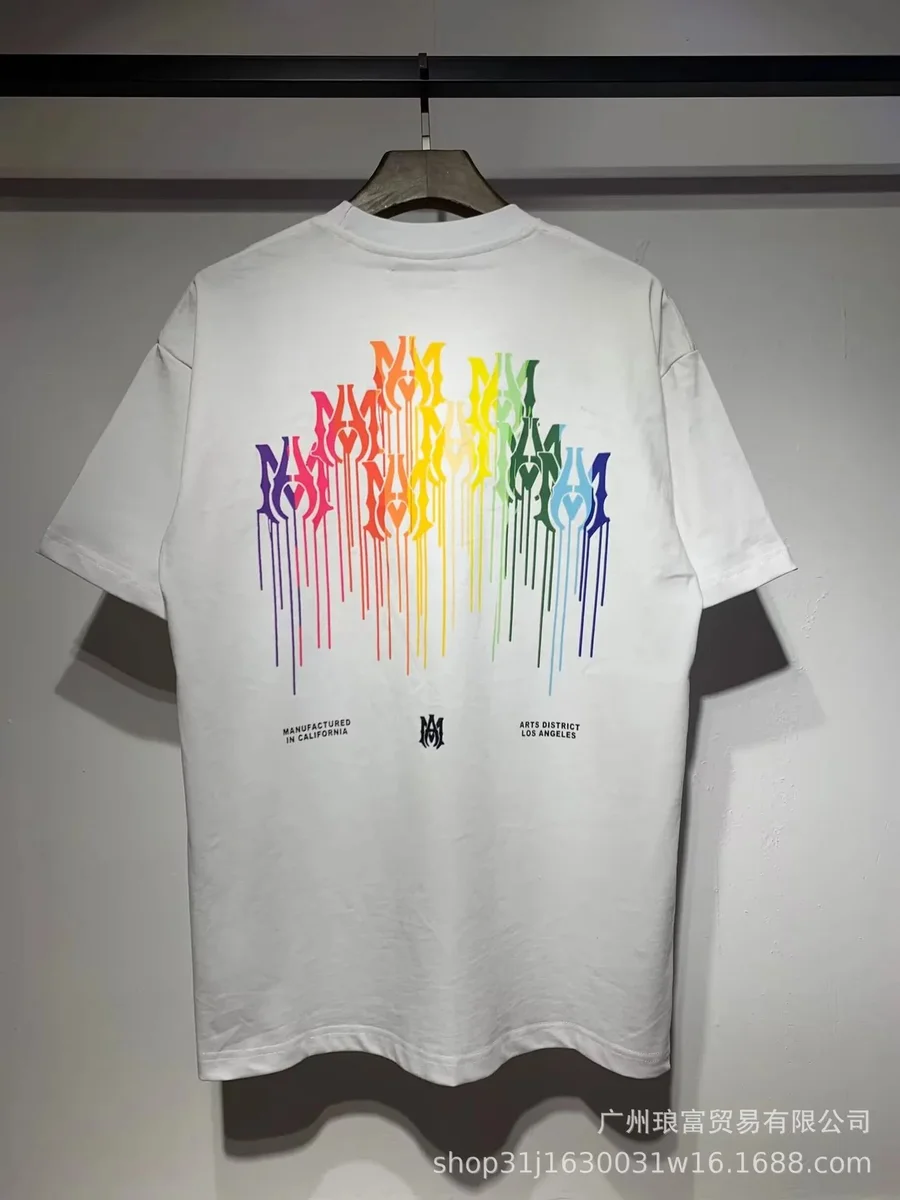
~$13.06
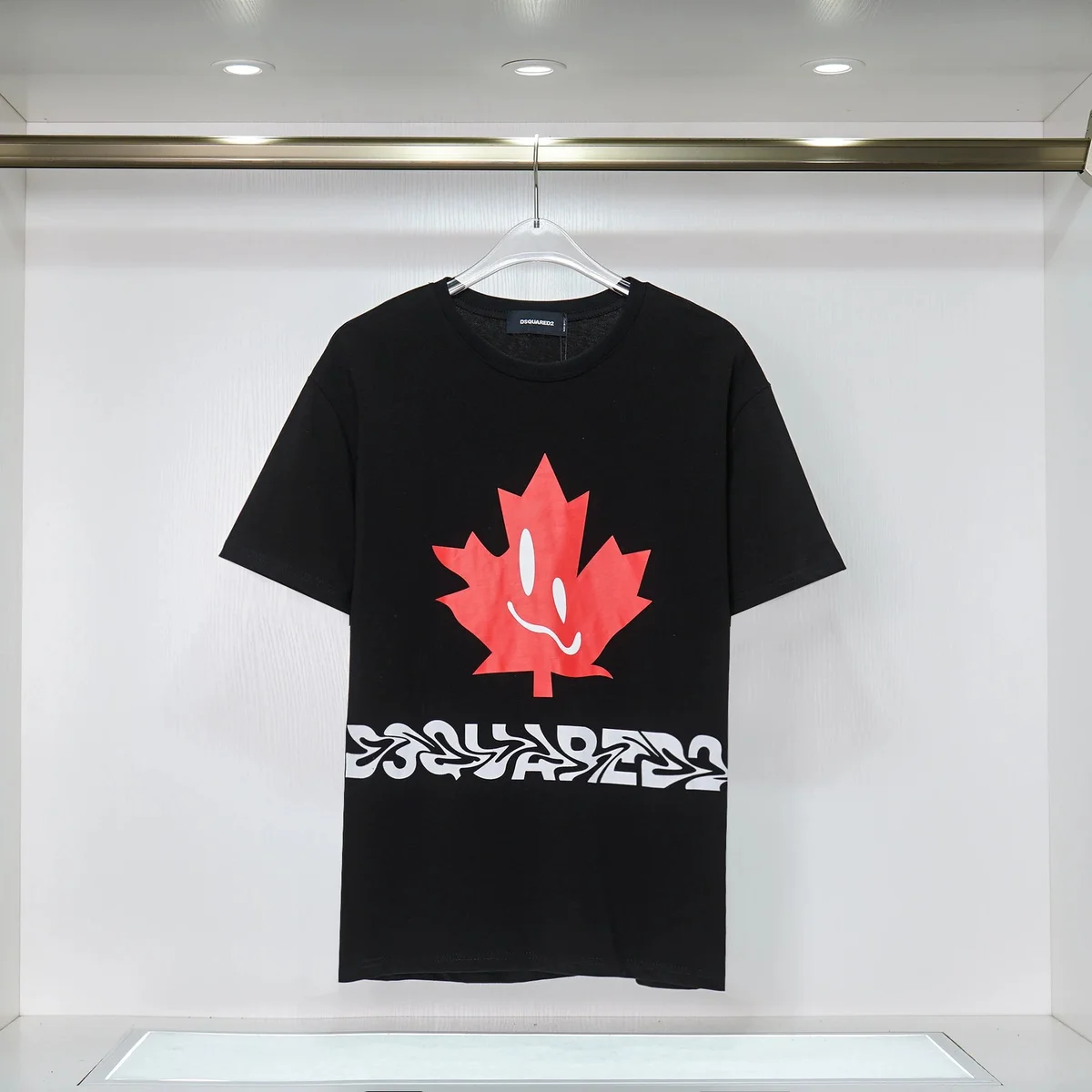
~$16.39
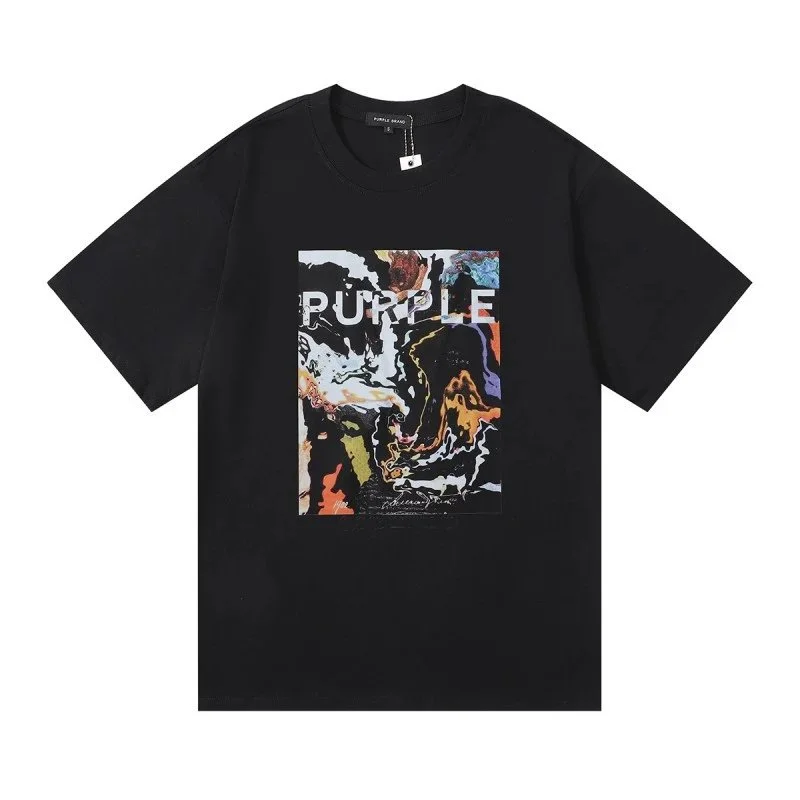
~$16.11
Some QC photos are shared references. Open the listing to see which group matches your variant.
Buying guide
Lay your reference T-shirt flat. Record shoulder width, chest width and length. Use the same measuring points on the seller’s chart. If you want a boxy fit, compare width and length together to avoid choosing a tee that is only longer.
Look at where the graphic sits relative to the collar and side seams. Ask for a close-up of fine lettering or a large print edge if those details matter to you. Compare colors under similar lighting where possible.
Ask for a straight-on photo with the shirt laid flat. Look at the shape of the opening and whether the fabric around the seam lies flat. Compare the neckline with a shirt you already like.
Product research
Screen printing pushes ink through a stencil on a mesh screen. Direct-to-garment printing, often called DTG, uses a printer to apply the design to the fabric. The name of the process helps you ask more specific questions, especially if the same graphic appears on several shirts.
Ask which process was used on the exact shirt color you want. For a design with fine lettering or a gradual color change, request a close photo of that area. If you are comparing a large graphic, ask how the printed section feels compared with the plain fabric. Ask for the finished garment’s care instructions so you can judge how it fits your laundry routine.
Printful guide to DTG and screen printing
Ask for a photo of one layer of fabric over a contrasting card in normal light. A folded shirt looks more opaque because several layers overlap. If you compare two listings, ask for photos under similar lighting.
A dropped shoulder seam is designed to sit farther down the arm. If two tees use different shoulder cuts, compare the distance from the center back of the neck to the sleeve edge. That measurement helps you estimate where the sleeve will end.
Ask for a photo of the shirt turned inside out at the waist. A tubular body has no side seams, while a paneled body has seams joining the front and back. If you prefer a shaped fit, compare the chest and hem widths as well as the construction.